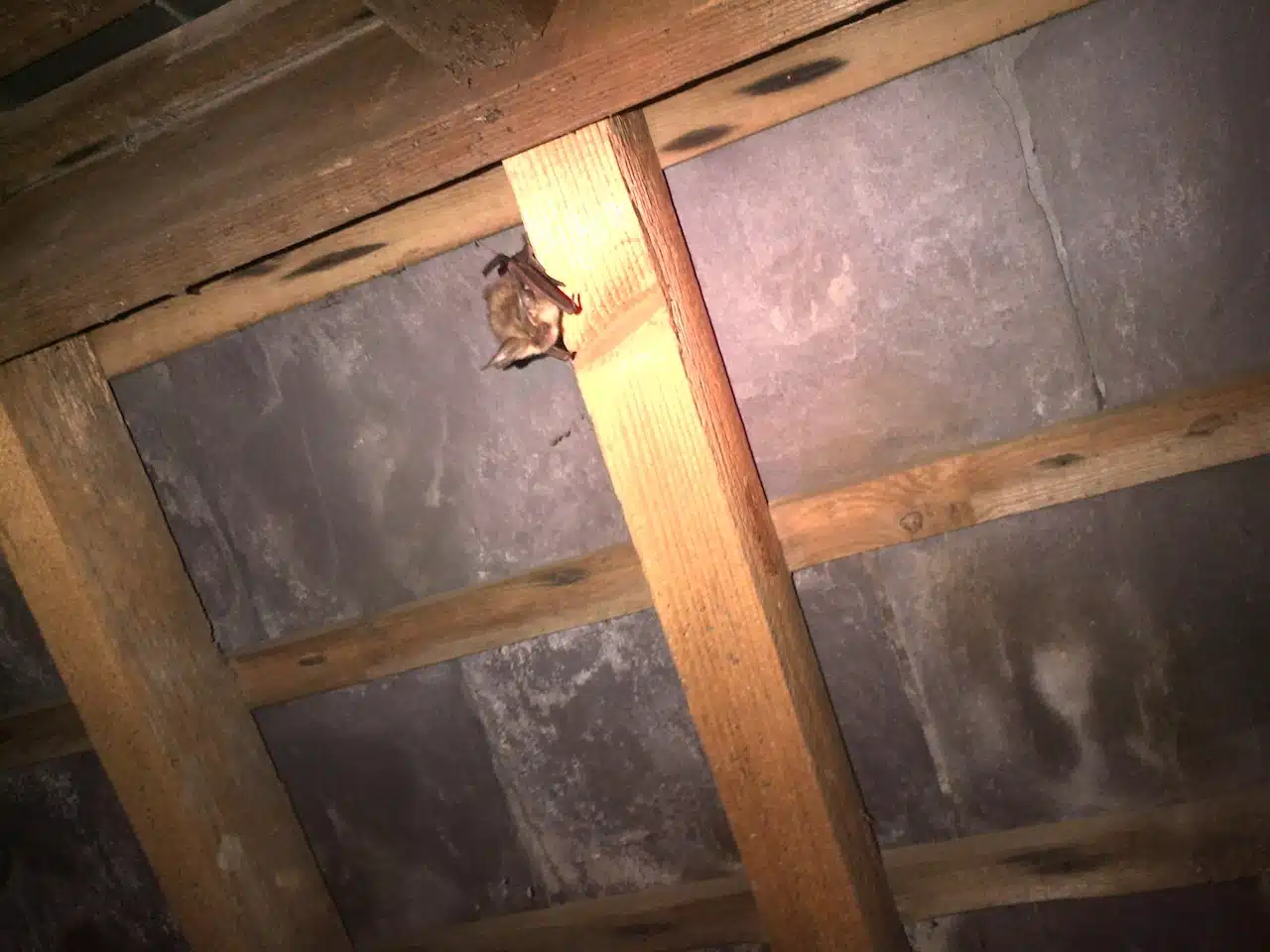
All species afforded legal protected by the EC Habitats Directive, enacted in the UK by the Habitats Regulations—most recently updated in 2010—require a licence to disturb them or their habitat. Essentially, this licence makes lawful actions that otherwise risk engaging the Directive and therefore by virtue are criminal. Naturally, such actions have fairly predictable consequences for a developer, that quite apart from criminal prosecution, the site would come under immense scrutiny and works may be stopped, or a planning consent quashed. Since it is obviously impractical to banish all sites that contain habitat potential for protected species to dereliction, how then are such matters resolved for planning applicants?
European protected species licence applications
The answer is to obtain a license from a Statutory Nature Conservation Organization e.g. Natural England, Natural Resource Wales or Scottish Natural Heritage. These organizations are executive agencies of central government bodies that can grant permission, through the issue and execution of a license, to undertake works to a site that otherwise is a clear engagement of article 12(1)(b) of the legislation.
What is Natural England’s Standing Advice?
Natural England, the SNCO for England, issues standing advice for European protected species and licenses, also called EPSLs. This advice takes in the Wildlife and Countryside Act 1981 (as amended), the Countryside Rights of Way Act 2000, ODPM Circular 06/2005: Biodiversity & Geological Conservation and the National Planning Policy Framework; to which the ODPM Circular refers. The standing advice makes clear that any application supported by surveys or reports (NE, 2011) that in their recommendations make it implicit that protected habitats or species will be present and affected (ODPM 2005) shall require that the local planning authority take this impact into so-called material consideration.
ODPM Circular 06/2005 Biodiversity and Geological Conservation
Paragraph 98 of the Circular states that when having regard for protected species that are likely to be harmed by activities e.g. demolition or construction at the site of proposed development, local planning authorities should consult Natural England. In doing so, it fulfill one of two roles. We now know that since the Supreme Court decision of Morge v Hampshire (UKSC, 2011) that if Natural England withdraws or does not object to an application once consulted, there is no reason for a local planning office to refuse consent. The second role being the determination of applications for mitigation licenses.
Where do local planning authorities fit into all this?
The standing advice goes further to suggest that the key facts and principles underpinning e.g. the NPPF and the Circular are enforced by local planning authorities to ensure the continued ecological functionality of the site is maintained, by assessing the impact of planning decisions on the sites biologically rich features, such as habitat for protected species of all kinds, not just those covered through their inclusion in Annex II of the Directive. Examples may be roosts in buildings and trees for bats, great crested newt ponds, rock or rubble piles for reptiles, scrub for breeding birds and woodland habitat for e.g. badgers.
Protected Species: Principles for Planning
The key principle is that of prevention: prevention of harm to habitats and species by comprehensively and methodically either scoping out their presence at a development site or observing evidence to support the notion that mitigation is appropriate. The NPPF is very clear on the matter in the context of planning, arguing that if a risk of harm to protected species or habitats cannot be adequate scoped out e.g. by confirming absence or trans-location, then it must be mitigated for, under license where appropriate. If mitigation is not possible, habitat enhancements and compensatory measures should be secured through planning conditions and installed, again where appropriate, under license. Finally, if these conditions cannot be met, “then planning permission should be refused.” (NE 2011).
Natural England Standing Advice FAQ
The standing advice is used by local planning authorities as fall back position, when in pre-application consultation or during the determination period, to define e.g. habitat and protected species survey efforts and mitigation proposals. It comprises detailed, species-specific information sheets and a flowchart for the decision making processes in planning that relate to European protected species and licensing issues, as well as Frequently Asked Questions about Protected Species. Of course, the guidance should be applied with pragmatism at the forefront of any practitioner and does not over-achingly suggest that a full ecological survey is required for any and all application sites.
The habitats and species decision tree is particularly useful for public and private sector alike, though is no substitute for competent advice from a surveyor or ecological consultant. Questions that may be posed by applicants for both planning applications and EPSLs are answered in detailed where necessary and more comprehensibly appropriate to the question. For instances: Local authorities have a responsibility to the environment and its geological and biological conservation. Scoping bat surveys and phase 1 habitat survey reports are not sufficient to propose mitigation, only to confirm absence if it is unequivocal. Surveys cannot be conditioned. Natural England does not provide pre-application or other advice to applicants.
In summary then, as the regulations and guidance point toward dealing upfront with protected species and habitats, so the best instruction is to seek the advice of a professional and qualified ecologist.